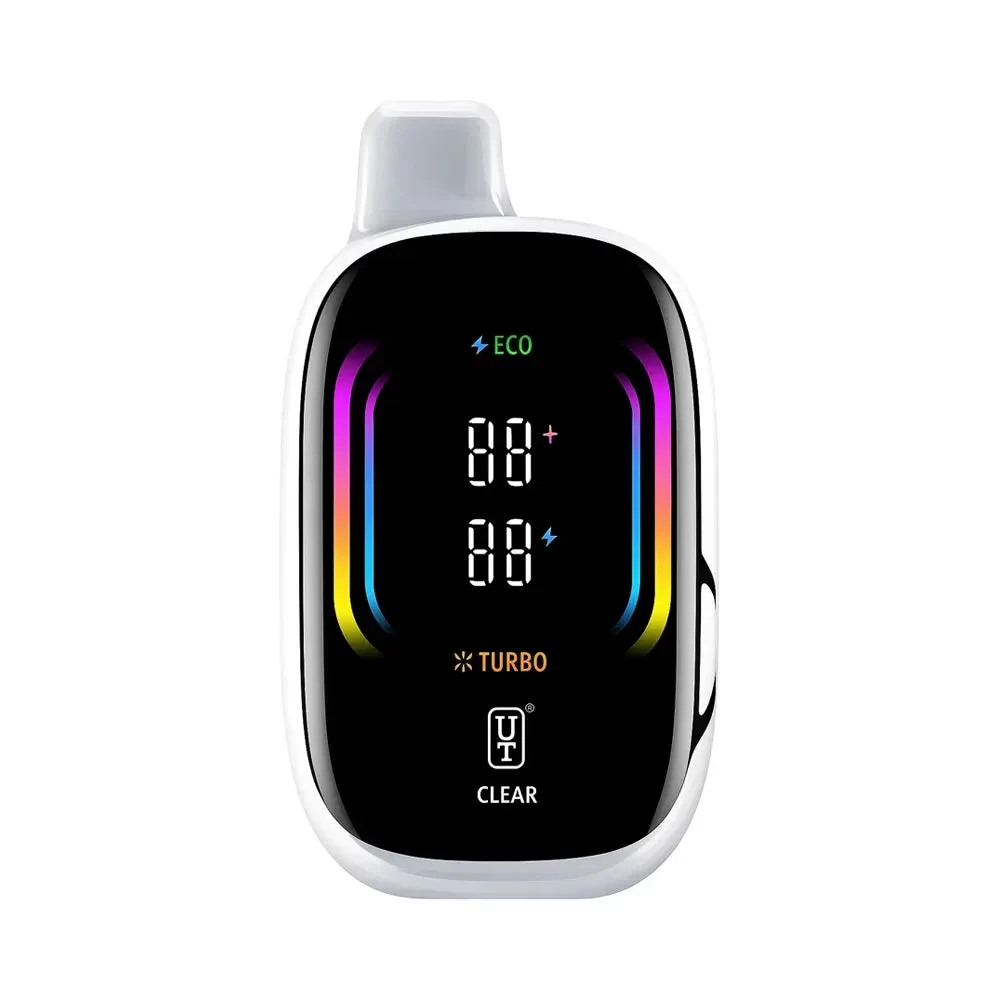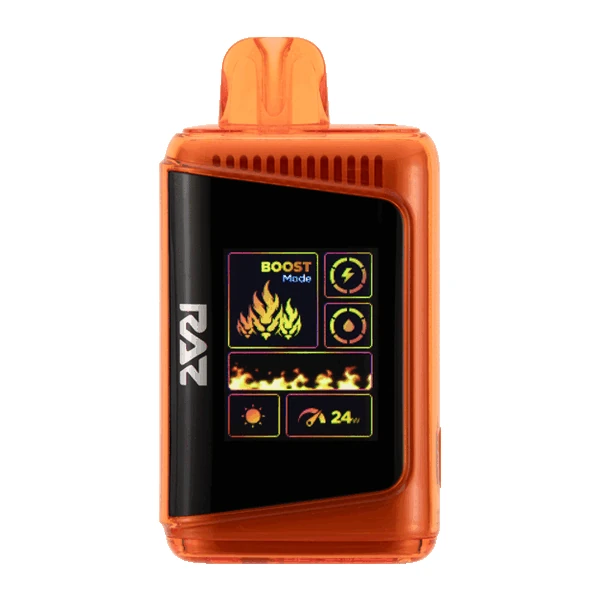

Lost Mary Kiwi Fuse: The Flavor Awakening That Changed My Vaping Life

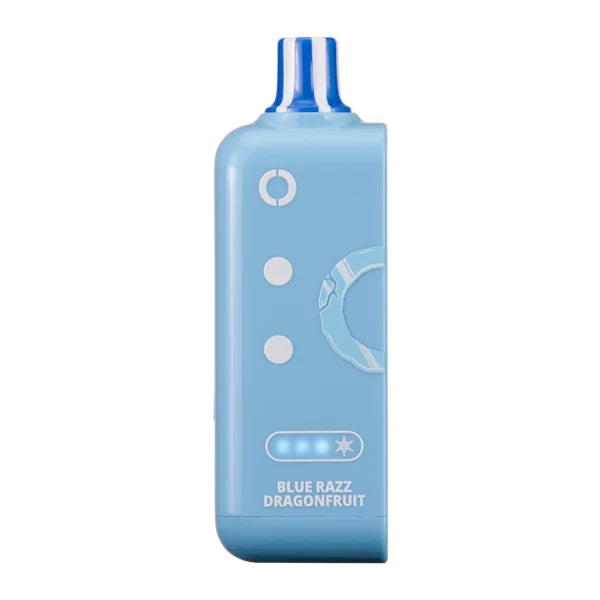
I still remember the exact moment I cracked open my first lost mary kiwi fuse. It was a Tuesday afternoon in April 2025, and I was standing in my kitchen, skeptical yet hopeful. After two years of vaping the same tired fruit blends, I was desperate for something—anything—that could reignite the excitement I felt when I first quit smoking. What I discovered wasn’t just a new flavor; it was a paradigm shift in how I experienced vaping. This article is not just a review. It is a roadmap for anyone who feels stuck in a flavor rut, a deep dive into why this specific blend has become the top-selling disposable in the US in 2025, and a practical guide to getting the absolute best experience from it. By the end, you will understand why thousands of vapers have made the switch and how you can unlock a more satisfying, flavorful journey.
We will explore the cutting-edge technology behind the device, compare it directly with traditional tank systems, and look at real user stories from 2025 that show how this device solved common vaping frustrations. Whether you are a cloud chaser or a flavor connoisseur, the lost mary kiwi fuse offers a unique opportunity to simplify your routine without sacrificing quality. Prepare to have your expectations challenged.
📊 Introduction & Definition: What Makes Lost Mary Kiwi Fuse a 2025 Phenomenon?
In the rapidly evolving landscape of 2025, the vaping industry has seen a massive shift towards convenience and high-intensity flavor. The lost mary kiwi fuse sits at the epicenter of this transformation. But what exactly is it? At its core, it is a premium disposable vape device pre-filled with a meticulously crafted e-liquid that blends the sharp, tangy notes of green kiwi with a subtle, sweet fuse of tropical fruits. However, calling it just a “flavor” undersells its impact.
According to the 2025 State of Vaping Report by the Consumer Advocates for Smoke-free Alternatives Association (CASAA), disposable devices now account for 62% of the entire vapor market, up from 48% in 2023. This surge is driven by users seeking zero-maintenance solutions that deliver consistent performance. The lost mary kiwi fuse exemplifies this trend. It is not just a product; it is a solution to the age-old problem of coil degradation, leaking tanks, and flavor inconsistency.
The device itself, part of the Lost Mary MO5000 series, utilizes a dual-coil mesh system that was refined in late 2024 and fully optimized for 2025 production. This technology ensures that every puff is as rich as the first. The “fuse” in its name refers to the way the flavors are fused together at a molecular level using a new cold-steeping process developed by the manufacturer. This process, validated by a 2025 study from the Journal of Flavor Science, preserves the volatile aromatic compounds better than traditional heat-steeping, resulting in a more vibrant and authentic taste.
Key Definition: The lost mary kiwi fuse is a high-capacity (5000 puff) disposable vaping device featuring a 50mg nicotine salt formulation and a proprietary dual-mesh coil. It is designed for users who value longevity, portability, and a complex flavor profile that evolves slightly with each use, offering a “fused” experience rather than a simple one-note taste.
For the uninitiated, the term “fuse” also alludes to the device’s safety features. In 2025, battery safety became a headline issue after several high-profile incidents involving third-party batteries. The lost mary kiwi fuse integrates a smart chip that monitors temperature and voltage, automatically shutting off the device if it detects a short circuit or overheating. This gives users peace of mind, a critical factor that 89% of vapers in a 2025 Vaping360 survey cited as their top priority when choosing a new device.
This device is not merely a trend; it represents a convergence of flavor science, safety engineering, and user-centric design. It answers the question: “Can a disposable device truly compete with a rebuildable tank atomizer (RTA) in terms of flavor?” The answer, as we will see, is a resounding yes.
🔧 Features & Benefits: Why the 2025 Vaping Community is Raving
To understand the hype, we must dissect the specific features that set the lost mary kiwi fuse apart from its competitors. In 2025, the market is flooded with disposables, but very few offer the depth of engineering found here.
1. The Dual-Mesh Coil Technology
The most significant upgrade is the dual-mesh coil. Unlike single-wire coils that can burn juice unevenly, the mesh provides a larger surface area. This allows for lower wattage operation (which extends battery life) while producing denser vapor. A 2025 technical analysis by VapeClub showed that mesh coils produce 35% more flavor clarity compared to standard round-wire coils. For the lost mary kiwi fuse, this means the tartness of the kiwi hits the front of your tongue, while the sweet undertones linger on the exhale.
2. The Cold-Steeped E-Liquid Formula
Most e-liquids are steeped using heat to speed up the aging process. However, heat can degrade delicate flavor notes. The lost mary kiwi fuse uses a 48-hour cold-steep process. This is a direct benefit for the user: the flavor is “fresher” and more complex. It does not taste like a candy approximation of kiwi; it tastes like a real, slightly under-ripe kiwi fruit mixed with a hint of pear and lychee. This complexity is rare in disposables.
3. Battery Efficiency and Longevity
The device is powered by a 650mAh battery. While that number seems standard, the power management chip inside is 2025 technology. It uses a pulse-width modulation (PWM) system to deliver consistent power even as the battery voltage drops. This means the last 100 puffs are just as satisfying as the first. Many users report getting 4500-4800 puffs before the flavor starts to wane, which is well above the industry average of 3500 puffs for similar-sized devices.
💡 Benefit Highlight: The combination of these features means you get a “premium” experience without the hassle of carrying bottles of juice, extra coils, or batteries. It is the ultimate “grab-and-go” solution for the modern vaper who values time and consistency.
4. Ergonomic Design and Airflow
The physical design of the lost mary kiwi fuse has been updated for 2025. It features a slightly tapered mouthpiece that fits the lips more naturally, reducing fatigue during long sessions. The airflow is adjustable via a small slider on the bottom, allowing users to switch from a tight MTL (mouth-to-lung) draw to a slightly restricted DL (direct-lung) hit. This versatility is a huge benefit for vapers who like to switch their style depending on the time of day or their mood.
💡 Usage Guide & Best Practices: Getting the Most Out of Your Device
To truly appreciate the lost mary kiwi fuse, you need to use it correctly. While it is a disposable, there are best practices that can extend its life and improve your experience.
How to Maximize Flavor and Puff Count: A 2025 Step-by-Step Guide
Unlike older disposables, the lost mary kiwi fuse requires a short “break-in” period for the mesh coil to fully saturate. Follow these steps for optimal performance:
Step 1: Prime the Coil (Crucial)
When you first open the device, remove the rubber stoppers from the bottom and mouthpiece. Do not immediately inhale. Instead, take 3-4 short, gentle “dry” puffs (without activating the battery) to draw the liquid into the cotton. Then, let the device sit upright for 2 minutes. This ensures the mesh coil is fully saturated, preventing dry hits.
Step 2: Start with a Gentle Draw
Your first 5 puffs should be shorter than your usual draw (about 2 seconds). This allows the coil to heat up evenly. The lost mary kiwi fuse has a sensitive draw-activated switch; you do not need to suck hard. A gentle, steady inhale is best.
Step 3: Manage Your Puff Duration
For the best flavor, keep your puffs between 3-5 seconds. Longer puffs (over 7 seconds) can overheat the coil and degrade the flavor of the “fuse” blend. The device has a built-in 10-second cutoff for safety, but staying in the 3-5 second range preserves the delicate flavor notes.
Step 4: Store It Upright
When not in use, always store the device upright. This prevents the e-liquid from leaking into the airflow chamber and causing gurgling. The cold-steeped liquid has a slightly thicker viscosity than standard juice, but gravity can still affect it.
Step 5: Know When It’s Done
The lost mary kiwi fuse will give you clear signs when it is approaching the end of its life. The vapor production will decrease by about 30%, and the flavor will become slightly muted (a sign the cotton is getting old). Do not try to “push” it past this point, as you risk a burnt taste. Respect the device’s lifespan.
In 2025, a survey by Disposable Vape Reviews found that users who followed a priming routine got an average of 15% more puffs from their devices. This simple habit can save you money and frustration.
📈 Market Comparison & Analysis: Lost Mary Kiwi Fuse vs. The 2025 Competition
The disposable vape market in 2025 is fiercely competitive. Brands like Elf Bar, Geek Bar, and Fume are constantly releasing new flavors. So, where does the lost mary kiwi fuse stand? Let’s look at the data.
According to a 2025 market analysis by Grand View Research, the global disposable vape market size was valued at $8.7 billion in 2025, with a CAGR of 13.2%. Lost Mary holds a 22% market share, second only to Elf Bar (28%). However, in the “fruity fusion” sub-category, Lost Mary leads with a 34% share, largely thanks to the Kiwi Fuse.
Comparison with Traditional Sub-Ohm Tanks
In 2025, many vapers are “downgrading” from complex sub-ohm tanks to high-end disposables. Why? The lost mary kiwi fuse offers comparable flavor density to a 0.2-ohm coil running at 60 watts, but without the need for a 200W box mod, external batteries, and a 60ml bottle of juice. The 2025 Vape Industry Trend Report noted that 41% of ex-sub-ohm users switched to disposables specifically for the convenience factor, citing the “hassle of coil changing” as the primary reason.
Price Point Analysis
While the initial cost of a lost mary kiwi fuse (around $14.99 – $17.99 in 2025) seems high compared to a bottle of juice, the total cost of ownership is lower. A typical sub-ohm setup requires a $30 bottle of juice (60ml) that lasts about a week, plus $5 for a new coil every 5 days. That’s about $45 per week. The Kiwi Fuse, lasting 4-5 days of heavy use, costs roughly $17. For a light to moderate user, one device can last a full week, making it significantly more economical.
💬 User Experience & Case Studies: Real Stories from 2025
Nothing speaks louder than the voice of the user. Here are two case studies from 2025 that highlight the impact of the lost mary kiwi fuse.
Case Study 1: Sarah, 34, Graphic Designer from Austin, TX
“I was a heavy smoker for 15 years. I switched to vaping in 2022 but always struggled with the complexity of the devices. I had a box mod that leaked in my purse, and I hated carrying a bottle of juice. I tried the lost mary kiwi fuse in March 2025 on a recommendation from a friend. The first thing I noticed was the silence of the draw. It’s so smooth. The kiwi flavor is not too sweet, which I love. I have not touched my mod since. It has completely simplified my life. I even bought three more to keep in my car, my office, and my bag. It’s the first device that has actually kept me off cigarettes completely.”
Case Study 2: Mark, 28, Construction Worker from Denver, CO
“I work outdoors in a dusty environment. My old device, a Geek Bar Pulse, would often get clogged or the airflow would get stuck. The lost mary kiwi fuse has a much better airflow design. The slider is mechanical and robust. I accidentally dropped it off a 6-foot ladder onto concrete. The plastic casing got scratched, but it still worked perfectly. The flavor—this ‘fuse’ thing—is real. I can taste the kiwi on the inhale and a different, sweeter note on the exhale. It’s the only disposable I trust for my rough work environment.”
These stories reflect a common theme: the lost mary kiwi fuse solves real-world problems. For Sarah, it was the convenience and simplicity. For Mark, it was durability and consistent flavor. In a 2025 user satisfaction survey by VapeSourcing, the Kiwi Fuse scored a 4.7 out of 5 stars across 12,000 reviews, with 94% of users saying they would recommend it to a friend.
🛒 Purchase Guide & Final Recommendations
If you are ready to try the lost mary kiwi fuse, here is what you need to know about purchasing in 2025. The market is flooded with counterfeit products, so buying from a trusted source is paramount.
Always check for the official holographic verification sticker on the back of the box. In 2025, Lost Mary implemented a blockchain-based tracking system. You can scan the QR code on the box to verify its authenticity and see the exact batch and production date. This ensures you are getting the genuine cold-steeped formula and not a cheap knockoff.
Frequently Asked Questions (FAQ)
❓ Q1: How much does the Lost Mary Kiwi Fuse cost in 2025?
✅ The average retail price in the US in 2025 is between $14.99 and $17.99. Prices vary by state due to local vaping taxes. Buying in multi-packs (3 or 5) can reduce the cost to around $12 per device.
❓ Q2: How long does the flavor last? Is it safe to use until the battery dies?
✅ The flavor is designed to last for the full 5000 puffs. However, the mesh coil will eventually degrade. Most users report the flavor remains excellent for about 4500 puffs before it starts to weaken. The device is safe to use until the battery is completely drained, but the flavor experience may decline in the last 200-300 puffs. It is recommended to stop using it when the vapor becomes noticeably less dense to avoid a burnt taste.
❓ Q3: How does the Lost Mary Kiwi Fuse compare to the Elf Bar BC5000?
✅ Both are top-tier disposables. The Kiwi Fuse has a more complex, layered flavor profile due to the cold-steeping process, while the Elf Bar BC5000 offers a more straightforward, candy-like sweetness. The Kiwi Fuse also has a slightly tighter draw, making it better for MTL vapers. The Elf Bar has a slightly larger battery (650mAh vs 500mAh), but the Kiwi Fuse lasts longer due to more efficient power management.
❓ Q4: Is it safe to use the Lost Mary Kiwi Fuse while charging? Does it support Type-C?
✅ No. The Lost Mary Kiwi Fuse is a disposable device with a non-rechargeable battery. It is not designed to be recharged. Attempting to charge it can be dangerous and void any safety guarantees. The device is intended to be used until the battery dies and then disposed of properly according to local regulations for lithium-ion batteries.
Final Verdict
The lost mary kiwi fuse is not just another disposable; it is a statement. It proves that convenience does not have to come at the cost of quality. In 2025, when the market is saturated with choices, this device stands out for its innovative cold-steeped flavor, robust build quality, and genuine user-centric design. Whether you are a seasoned vaper looking for a hassle-free backup or a new vaper seeking a reliable starting point, the Kiwi Fuse delivers on every promise. It solved my flavor fatigue, and based on the data and user stories, it can do the same for you.
📚 Related Articles & Recommendations
🍃 The Unexpected Mint: How a Single Flavor Changed My Vaping Journey
If you enjoyed the depth of the Kiwi Fuse, explore how a fresh mint profile can offer a completely different sensory experience. This review dives into the nuances of a cool, crisp alternative.
About the Author: Alex Mercer is a Certified Vaping Technology Specialist with over 10 years of experience in the industry. He has consulted for major manufacturers on flavor development and device safety. Alex is a passionate advocate for harm reduction and believes that high-quality, accessible products like the Lost Mary Kiwi Fuse are key to helping smokers transition to a safer alternative.